Plant-based proteins in pet food

The demand for high-quality pet food has been growing for years. Pet owners are increasingly making conscious choices for healthy, sustainable and highly digestible nutrition for dogs and cats. As a result, the need for high-quality plant-based proteins and carefully processed raw materials is also increasing. For the animal feed producer, the origin, safety and processing of ingredients play an increasingly important role. Van Tuijl Feed Enrichment fits perfectly into this development. With more than sixty years of experience in processing plant-based raw materials and feed components, Van Tuijl offers a complete value chain approach for producers aiming to develop premium pet food.

Valuable foundation for modern pet food

Plant-based proteins are rapidly gaining popularity in pet food. They are used as partial or complete substitutes for animal protein sources such as chicken, beef or fish. Soy, wheat, lupine and pea proteins are examples of high-quality plant-based raw materials that are increasingly being used in dog and cat food. These ingredients are known for their stable nutritional value, good digestibility and favourable amino acid profile.

In addition, sustainability and availability play an important role: plant-based proteins have a lower ecological footprint than animal-based alternatives and are widely available worldwide. This makes them not only a healthy choice for pets, but also a future-proof option for producers.

The quality of pet food starts with raw material processing

The success of pet food containing plant-based proteins depends not only on the raw material itself, but especially on how it is processed. This is where Van Tuijl truly stands out. Processing steps such as extrusion and fine grinding ultimately determine the structure, digestibility and nutritional quality of the final product.

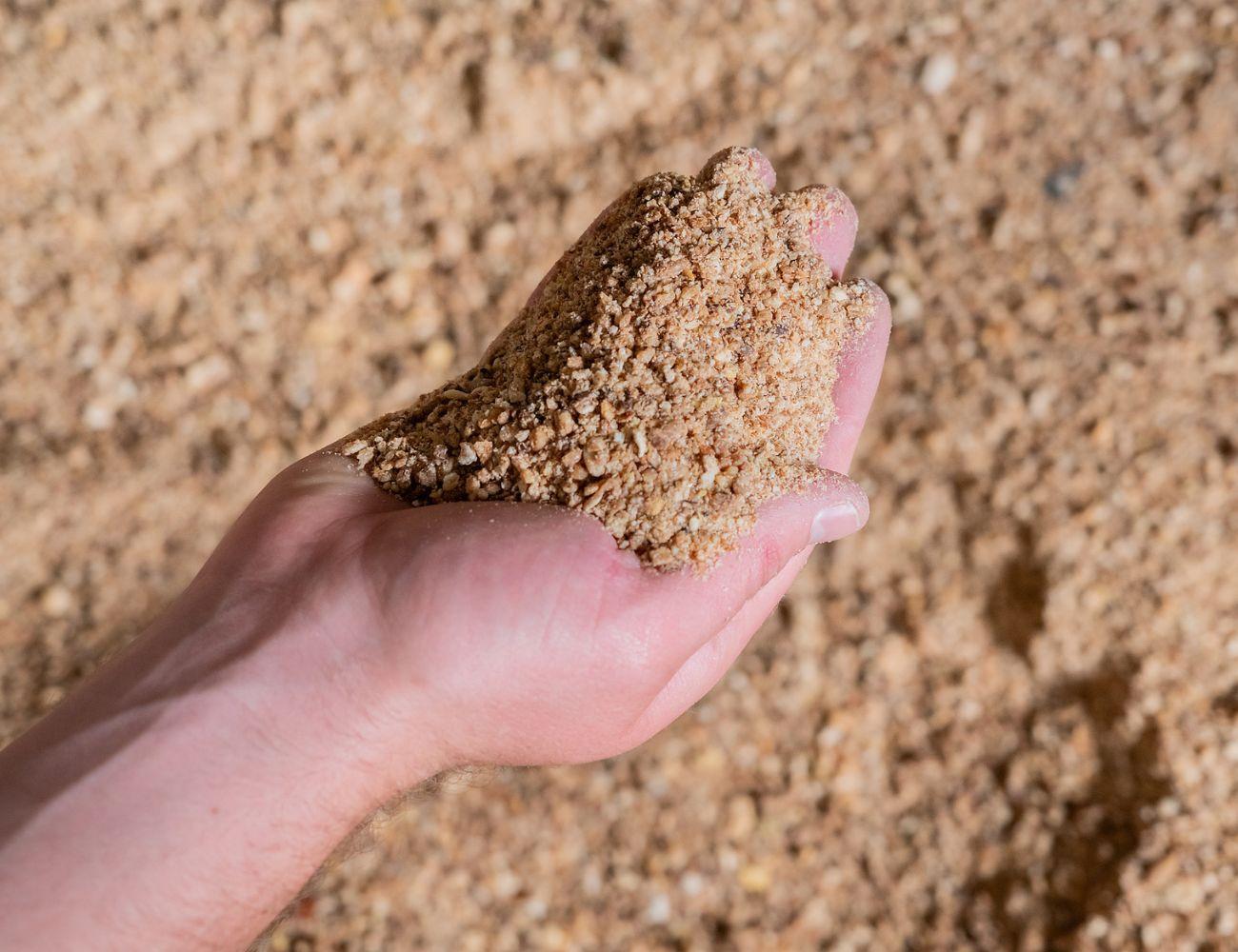
Fine grinding down to 50 microns, for example, ensures optimal absorption in the digestive systems of dogs and cats. This is particularly important for plant-based proteins, where a fine structure contributes to improved digestibility and palatability.

Extrusion is another key step that opens up the nutritional matrix of raw materials, making nutrients more available and the product microbiologically safer.

Feed industry raw materials as a solid foundation for pet food

Knowledge and technology from the feed industry form a valuable foundation for the pet food sector. Van Tuijl has been processing plant-based raw materials for various feed applications for decades and is therefore able to support pet food producers in using safe, consistent and high-quality ingredients.

Many raw materials traditionally used in young animal nutrition, such as cleaned grains, legume meals or extrudates, are also highly suitable as a basis for pet food. Due to similarities in nutritional requirements, particularly in terms of digestibility and amino acids, the same processes can be applied to produce high-quality components for dog and cat food.

Customisation and flexibility for pet food producers

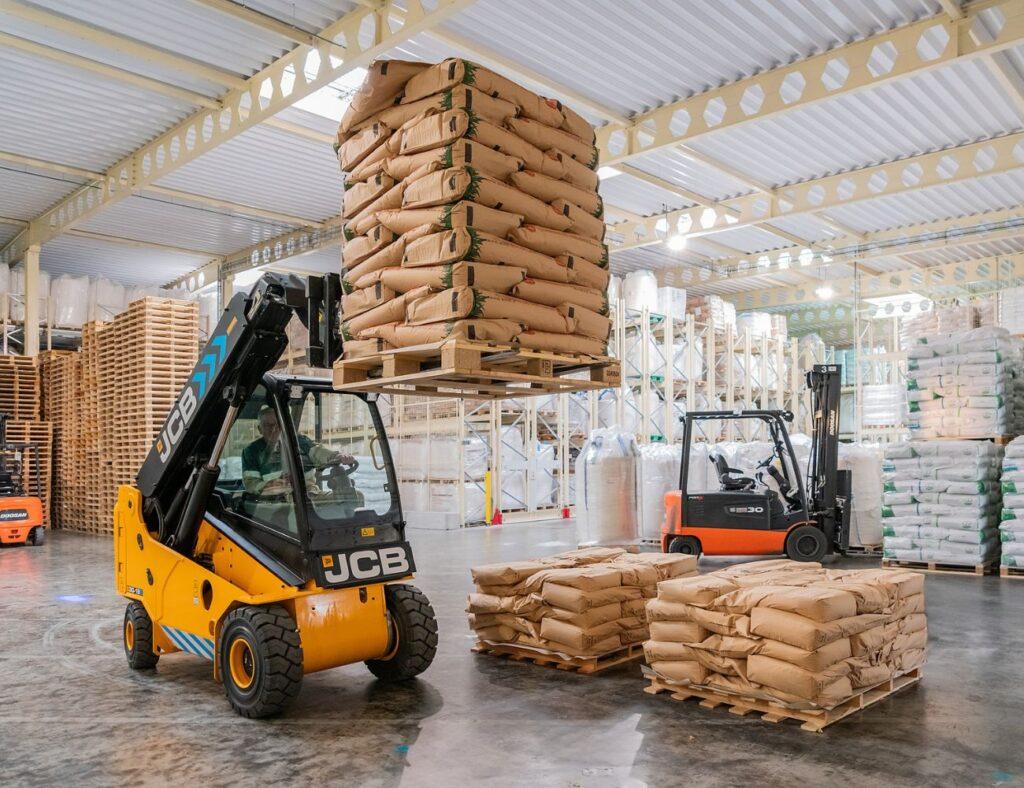
Every pet food producer works with specific formulations and quality standards. That is why Van Tuijl offers customised solutions at every stage of the process. Raw materials are processed according to the desired specifications, while blends can be formulated based on customer recipes. Final products can then be supplied in bulk, big bags or small bags, depending on logistical preferences.

In addition, Van Tuijl operates according to strict GMP+ quality systems, ensuring that all raw materials are processed safely and with full traceability. This is essential for producers seeking to stand out in a market where quality and transparency are becoming increasingly important.

A sustainable and future-oriented value chain

Sustainability is an important aspect in both feed and pet food today. Plant-based proteins align with circular production methods and have a lower environmental impact than animal-based raw materials. Because Van Tuijl itself works with green energy, residual heat and circular processing, the ecological footprint of these pet food ingredients is reduced even further.